
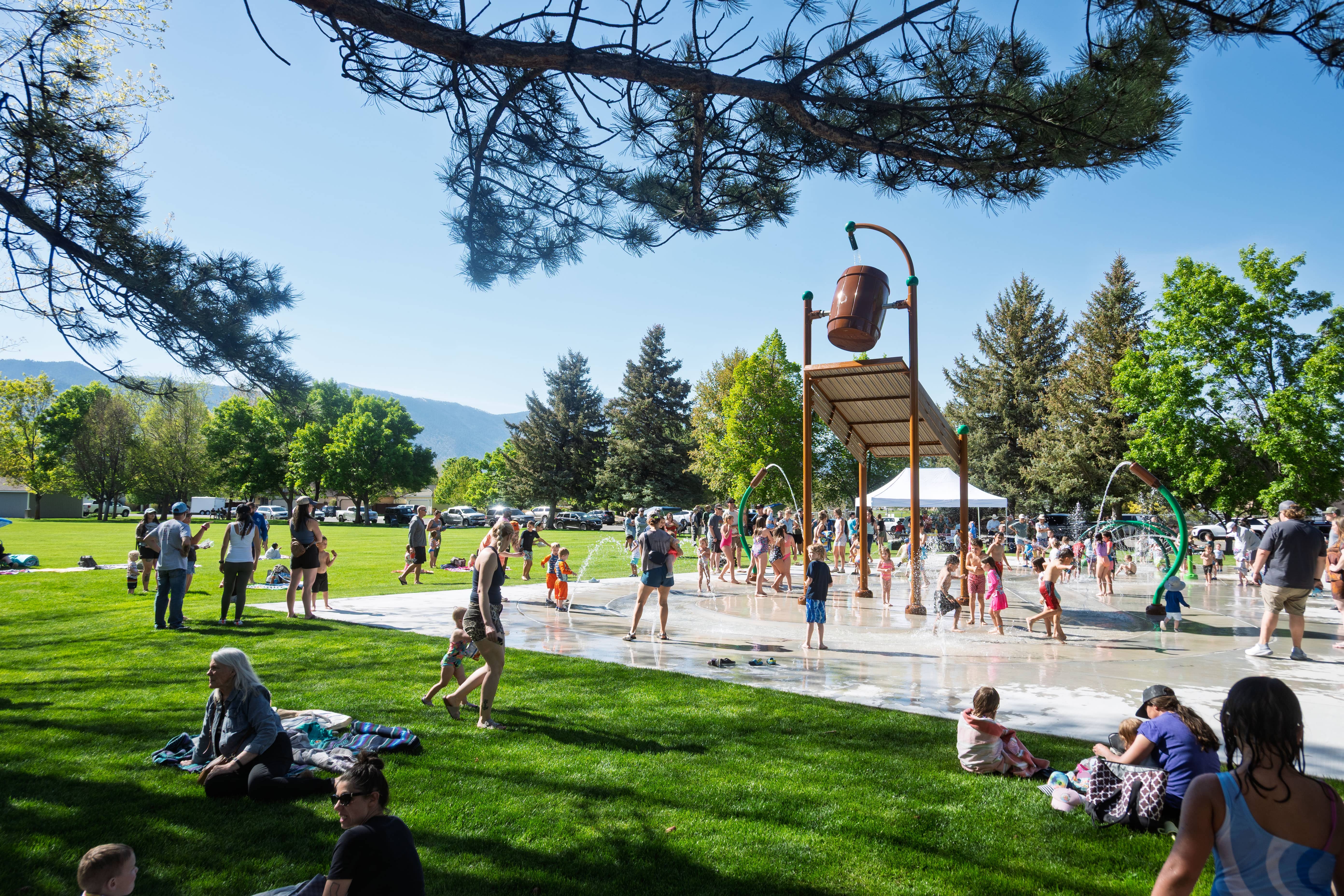
Choosing durable, accessible, and low-maintenance aquatic play equipment for long-term performance.
Municipal splash pads have become increasingly popular additions to public parks, recreation centers, and community spaces. These interactive aquatic play environments offer opportunities for recreation, social interaction, and outdoor play, creating destinations where families can gather, cool off, and connect.
However, designing a successful municipal splash pad involves more than selecting colorful water features. Landscape architects, park planners, and municipal decision-makers must consider equipment durability, accessibility, maintenance requirements, water management, and long-term operating costs to create a facility that serves the community for years to come.
So, what is the best aquatic play equipment for municipal splash pads? The answer depends on the project's goals, available space, anticipated usage, and maintenance capabilities. The most effective water play spaces combine durable construction, engaging play experiences, accessible design, and efficient water management systems.
Understanding these considerations early in the design process can help municipalities make informed decisions, protect their investments, and create aquatic play destinations built to last.
1. What Types of Aquatic Play Equipment Are Best for Public Parks?
Municipal splash pads serve diverse communities, often welcoming visitors of different ages, interests, and abilities. Incorporating a variety of aquatic play experiences can help create an engaging environment that encourages exploration, movement, and social interaction.
Several types of aquatic play equipment are commonly incorporated into municipal splash pad designs.
Ground Sprays and Flush-Mounted Water Features

Ground-level water features are popular for municipal splash pads because they are less susceptible to vandalism and offer a range of aquatic play experiences, from gentle, calming sprays to exciting, high-energy water effects. Bubblers, geysers, directional jets, and other spray effects encourage exploration while maintaining open sightlines throughout the play area. This is particularly beneficial for facilities with limited staffing and for parents and caregivers supervising young children.
Integrated LED lighting can further enhance the visual impact of ground sprays, transforming water effects into colorful nighttime attractions and creating opportunities for extended evening operation. Our partners at Fountain People offer Fountain-in-a-Can™, a compact, self-contained fountain fixture that combines water effects and lighting in a single unit. This versatile solution simplifies installation and creates opportunities for dynamic, illuminated water displays in splash pads, public plazas, and other community gathering spaces.
Flush-mounted features can also support flexible use of the space when the splash pad is not operating, allowing the area to accommodate other recreational activities when appropriate.
Interactive Spray Features

Water cannons, tipping buckets, water play tables, and other interactive aquatic play elements encourage children to engage directly with water through movement and cause-and-effect play.
These interactive water features introduce opportunities for cooperative play, sensory exploration, and imaginative experiences. Incorporating a variety of spray intensities and interaction styles can help accommodate different comfort levels and preferences.
Multi-Level Aquatic Play Structures

For municipalities looking to create a larger aquatic destination, multi-level water playsets can combine waterslides, interactive sprayers, dumping buckets, and elevated play elements within one attraction.
These structures can serve as focal points within community aquatic facilities, offering multiple play experiences in a consolidated footprint. Large water play structures also provide unique opportunities for customization and community branding. From city logos and mascots to designs celebrating local history, custom graphics on oversized dumping buckets can help showcase a community's identity and foster a sense of pride and belonging.
When selecting a multi-level water playset, municipalities should consider available space, age-appropriate activities, supervision, accessibility, and operational requirements.
Themed Aquatic Play Features

Themed water features can help reinforce a park's identity and create a memorable destination. Nature-inspired designs, aquatic animals, and other creative elements allow municipalities to develop play environments that complement their surrounding landscape or reflect local character.
Our partners at Water Odyssey take aquatic play theming a step further with their signature Fun Forms collection. From whimsical animals and colorful flowers to sports themes and custom creations inspired by local landmarks and community history, Fun Forms transform ordinary splash pads into immersive aquatic play experiences that spark imagination and bring a community's unique story to life.
The most successful splash pad designs often combine several types of equipment to offer a balanced experience rather than relying on one attraction.
2. Why Does Equipment Material Matter for Splash Pad Durability?
Municipal aquatic play equipment must withstand demanding operating conditions. Frequent use, constant water exposure, ultraviolet radiation, pool chemicals, and changing weather conditions can contribute to equipment deterioration over time.
For this reason, construction materials and protective finishes should be important considerations during equipment selection.
Stainless Steel Construction
Stainless steel is commonly used in commercial aquatic play equipment because of its strength, durability, and resistance to corrosion.
When properly maintained, stainless steel components offer several advantages for municipal splash pads:
- Corrosion resistance: Suitable stainless steel grades can provide strong resistance to deterioration in wet environments.
- Structural strength: Stainless steel can withstand the demands of high-traffic public recreation environments.
- Long-term durability: Quality construction can help reduce premature equipment deterioration and replacement needs.
Protective Coatings: The Aqua Armor Advantage
Beyond the underlying construction material, protective coatings play an important role in maintaining the appearance and performance of aquatic play equipment.
AquaWorx utilizes Aqua Armor, a durable protective coating designed for demanding aquatic environments. Engineered to resist exposure to chlorine, UV radiation, and vandalism-related wear, Aqua Armor provides an additional layer of protection for aquatic play features.
For municipalities, a durable protective finish can offer several important benefits:
- Helps protect equipment surfaces from environmental exposure.
- Supports long-lasting color and visual appeal.
- Provides added resistance to wear and vandalism in high-use public environments.
By considering both equipment construction and protective coatings, municipalities can make purchasing decisions that prioritize long-term value rather than initial appearance alone.
3. How Can Municipal Splash Pads Be Designed for Accessibility and Inclusive Play?
Public splash pads should welcome people with a wide range of physical, sensory, and developmental abilities. Accessibility is not simply a matter of providing an accessible entrance; it involves considering how visitors navigate, interact with, and experience the entire aquatic play environment.
When selecting splash pad equipment, landscape architects and municipal planners should consider several design strategies.
Provide Accessible Routes and Play Surfaces
Accessible pathways should connect the splash pad to surrounding amenities, including parking, seating, restrooms, and other recreation areas. Play surfaces should also be evaluated for accessibility, slip resistance, drainage, and changes in elevation.
Offer a Variety of Water Experiences
Not every visitor enjoys powerful water sprays or unexpected dumping effects. Incorporating gentle bubblers, low-pressure sprays, and interactive features alongside more energetic attractions can help create opportunities for different sensory preferences.
Create Distinct Play Zones
Separating high-energy activities from quieter areas can support visitors with different comfort levels. Calm water zones featuring gentle spray effects can provide alternatives to larger dumping buckets and more intense water attractions.
Consider Reach Ranges and User Interaction
Interactive features should be evaluated for accessibility from different positions and heights. Where appropriate, controls and play elements should accommodate users who are seated, standing, or using mobility devices.
Designers should also consult applicable accessibility standards, including the Americans with Disabilities Act (ADA), and relevant local requirements. Thoughtful inclusive design considers both compliance and the quality of the water play experience.
4. What Aquatic Play Equipment Requires the Least Maintenance?
For municipalities operating with limited staffing and maintenance budgets, ease of maintenance can be just as important as the initial equipment investment.
Although all aquatic play systems require regular inspection and upkeep, certain equipment characteristics can simplify maintenance and help reduce operational challenges.
Durable Materials and Protective Finishes
Selecting corrosion-resistant materials and high-performance coatings can help minimize premature surface deterioration and reduce the frequency of certain repairs.
Accessible Components
Equipment should be designed with serviceability in mind. Accessible nozzles, valves, connections, and mechanical components can make routine inspections and repairs more efficient.
Equipment Complexity
More elaborate aquatic play systems may incorporate additional valves, actuators, controls, and moving components. While these features can enhance the play experience, they may also introduce additional maintenance considerations.
Municipalities should evaluate the benefits of interactive technology alongside their available maintenance resources.
Reliable Water Management Systems
Filtration, water treatment, and control systems are essential considerations for splash pads utilizing recirculated water. Properly selected and maintained equipment can help protect mechanical components and support consistent system performance.
The best low-maintenance splash pad is not necessarily the one with the fewest features. Rather, it is one designed around durable components, accessible equipment, appropriate system complexity, and a realistic maintenance plan.
5. What Is the Best Filtration System for a Municipal Splash Pad?

Water management is one of the most important decisions in municipal splash pad design. The appropriate system depends on factors such as water availability, local regulations, operational budgets, which contributes as to whether the facility will use a flow-through or recirculating configuration.
Flow-Through vs. Recirculating Splash Pads
Flow-through systems use a continuous supply of water that is discharged after use rather than recirculated through the play features. While these systems may have fewer treatment components, they can consume substantial amounts of water depending on the design and operating schedule. However, water can be repurposed for irrigation rather than run-off to sewage to help repurpose water.
Sequencing controls and activators can also help reduce water consumption by managing when and how water features operate. Programmable sequencing creates dynamic spray patterns by activating different features at designated intervals rather than operating all features simultaneously. User-activated controls, such as push-button or foot-activated bollards, allow visitors to turn on water features for a predetermined period, helping conserve water when the splash pad is not in use.
Recirculating systems collect, filter, treat, and reuse water within the splash pad. These systems can significantly reduce the amount of natural resources required to operate the splash pad, although they involve additional mechanical equipment, water quality monitoring, and maintenance responsibilities.
Additionally, recirculating filtration systems can be equipped with UV disinfection, which helps protect patrons from bacteria that may be resistant to chlorine disinfection, such as Cryptosporidium and Guardia.
Working with an experienced aquatic equipment manufacturer early in the design process can help ensure that the selected filtration and water treatment systems align with the splash pad's intended operation.

6. What Should Municipalities Look for in an Aquatic Play Equipment Manufacturer?
Selecting the right water play equipment manufacturer is an important part of creating a successful municipal splash pad.
Beyond product appearance and pricing, landscape architects and municipal decision-makers should evaluate a manufacturer's technical capabilities, product construction, and ability to support the project throughout its life cycle.
Important considerations include:
- Product quality: Are equipment materials and protective finishes suitable for commercial aquatic environments and high-use areas?
- Design flexibility: Can products be customized to complement the surrounding landscape and meet project-specific requirements?
- Accessibility: Does the product offering support a variety of ages, abilities, and play experiences?
- Water management expertise: Can the manufacturer assist with filtration, water treatment, and hydraulic system requirements?
- Maintenance accessibility: Are equipment components designed for practical servicing and replacement?
- Technical support: Are design resources, product specifications, and post-installation assistance available?
Partnering with an experienced aquatic play equipment manufacturer can help streamline design coordination, support informed product selection, and improve long-term operational planning.
Creating Municipal Splash Pads Built to Last
The best aquatic play equipment for municipal splash pads balances engaging design with durability, accessibility, operational efficiency, and long-term value.
By prioritizing quality construction materials, protective coatings, inclusive play opportunities, appropriate filtration systems, and maintenance-friendly equipment, municipalities can create aquatic play environments that serve their communities for years to come.
At AquaWorx, we understand that successful aquatic play destinations require more than exciting water features. From interactive spray features and multi-level playsets to commercial filtration systems and water management solutions, our team works with landscape architects, engineers, and municipal partners to support aquatic play projects from concept through completion.
Planning a municipal splash pad? Connect with AquaWorx to explore aquatic play equipment and water management solutions designed for your project's unique needs.